
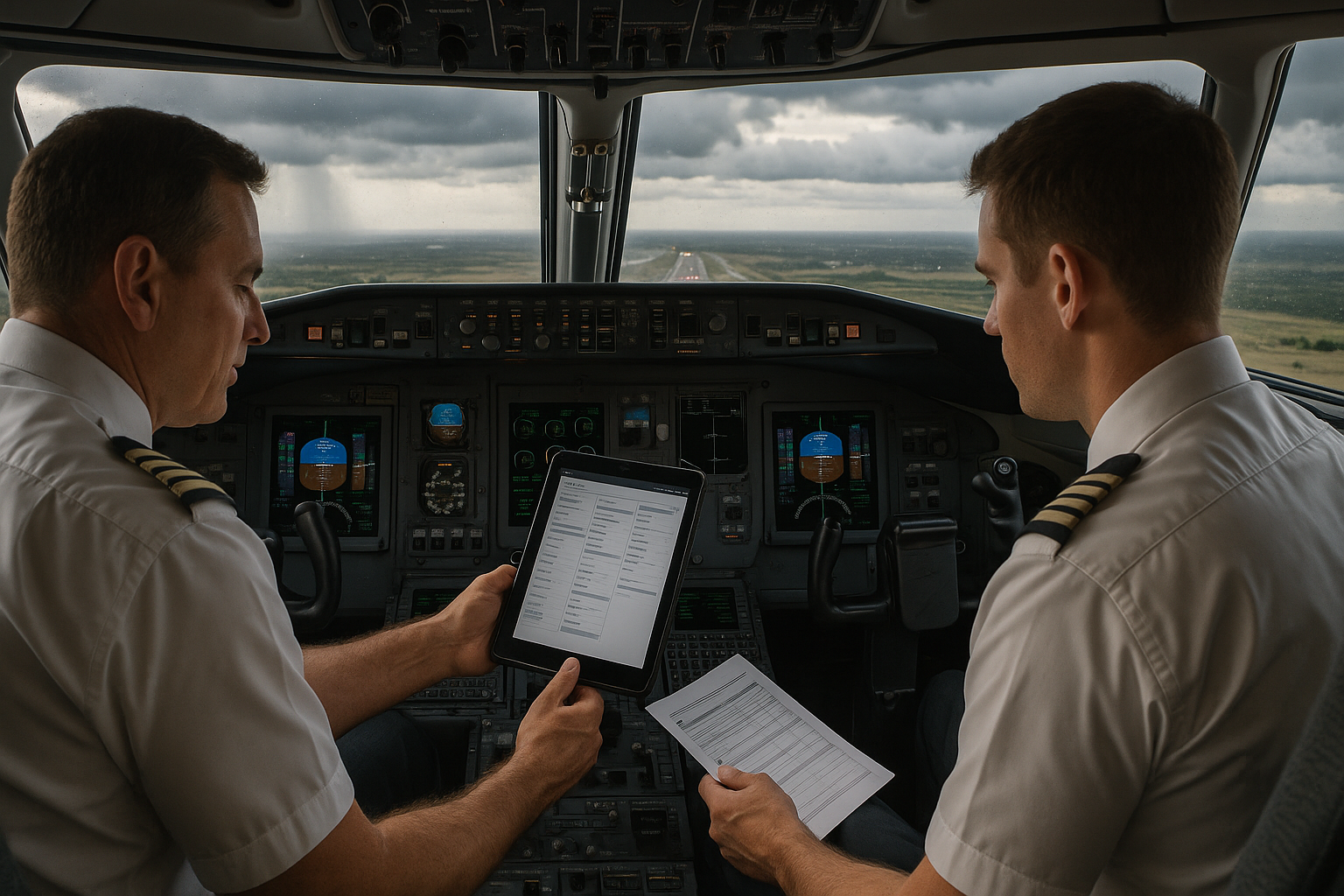
Dispatch operations shape how a flight is planned, briefed, and executed. For pilots, understanding dispatch operations is not an abstract office task. It directly affects approach planning, landing performance, contingency decisions, and ultimately safety. Whether you fly for a regional airline, work towards an ATP, instruct students, or manage flight operations, a clear grasp of dispatch procedures helps you make better landings under changing conditions.
This article explains the practical role of dispatch operations, how dispatch decisions influence landing outcomes, and what pilots should know to integrate dispatch information into safe, timely pilot decision-making. The primary keyword dispatch operations appears early because pilots searching this topic usually want operational, training, and safety guidance — not regulatory theory.
What Dispatch Operations Mean to Pilots
Dispatch operations encompass the people, processes, and tools used to produce and monitor a flight plan from release to arrival. At its core, this function turns weather data, aircraft performance figures, route information, NOTAMs, and maintenance status into an operational plan and a set of briefings for flight crews.
For a pilot, the useful elements coming out of dispatch operations include the flight release or dispatch release, a weather briefing tailored to the route, fuel calculations and contingency fuel guidance, runway and performance calculations, and the company-required notes such as MEL constraints or specific operational cautions. Dispatchers may also monitor progress in flight and provide updates that change the expected approach or landing conditions.
Why Dispatch Operations Matter in Real-World Aviation
Landing is where planning and reality meet. Many decisions that determine whether a landing will be straightforward or problematic were made before the flight: runway selection, alternate fuel, expected wind profiles, and even dispatch capacity to accept delays or reroutes. Dispatch operations provide the baseline plan and the dynamic updates pilots need to adapt that plan in flight.
Good coordination between pilots and dispatch reduces surprises during the approach. When dispatch provides realistic weather trends, precise runway contamination reports, or timely MEL constraints, pilots can select an appropriate approach, brief contingencies, and calculate landing performance accurately. Conversely, poor coordination, incomplete briefings, or misinterpreted dispatch guidance can push crews into rushed decisions on final approach or cause late go-arounds.
How Pilots Should Understand Dispatch Operations
Pilots should treat dispatch as part of an integrated decision-making loop rather than a separate administrative step. That means:
Verify the assumptions driving the dispatch release. Know what weather forecast, anticipated runway, and expected taxi/runway contamination were used for performance numbers.
Confirm fuel and diversion logic. Understand what the dispatcher used for alternate fuel and what company policy allows for in-flight amendments.
Clarify MEL items or maintenance notes that influence dispatch acceptance, and translate those items into how they might affect landing configuration, required speeds, or approach minima.
Keep communication channels open. If conditions in flight diverge from the dispatch assumptions, notify dispatch early and request re-evaluation when appropriate.
Thinking of dispatch outputs as assumptions to be validated helps prevent the “paper plan” from becoming a liability. Validate the plan continuously, and be ready to change the plan when reality differs.
Key Components of Dispatch That Affect Landings
Not every dispatch product affects the landing phase, but several do in ways pilots must understand practically:
Runway selection and performance numbers. Dispatch often supplies runway and landing distance calculations based on forecast winds, runway condition reports, and aircraft weight. Pilots must understand the input parameters and recalculate when actual conditions change.
Fuel planning and diversion strategy. How much reserve and contingency fuel were planned influences landing weight and available landing performance margins. Heavier landing weights increase landing distances and can change flap and approach speed choices.
Weather forecasts and trends. Dispatch forecasts guide approach planning. Trend forecasts for wind shift, visibility, or precipitation directly inform whether an approach is feasible or whether a higher-threshold approach or alternate is prudent.
NOTAMs and runway contamination advisories. These change required landing distances and might necessitate selecting a different runway or delaying arrival until braking action improves.
MEL limitations and system constraints. An inoperative system or required deferred maintenance can change approach minima, go-around capability, or required decision speeds.
Common Mistakes or Misunderstandings
Poor outcomes around landing often trace back to a few recurring misunderstandings between flight crews and dispatch:
Assuming dispatch numbers remain valid without in-flight verification. Weather and runway conditions can evolve rapidly; relying on preflight assumptions without checking updates is risky.
Misreading the basis for performance calculations. If the landing distance was calculated using a dry runway and conditions are wet, crews must recalculate immediately rather than proceed on old figures.
Not communicating intentions when diverting or planning an overweight landing. Dispatchers need early notice to manage fuel, alternates, and downstream commitments; late coordination compresses options.
Failing to translate MEL implications into landing decisions. A deferred system might increase the chance of a missed approach or reduce redundancy that affects landing safety margins.
Overreliance on automation or dispatch tools without understanding their limits. Electronic performance tools are helpful but require pilot judgment when inputs or outputs are questionable.
Practical Example: How Dispatch Updates Change a Landing Plan
Imagine a flight planned to a medium-size airport with an afternoon convective breeze that includes gusting crosswinds. The dispatcher issues a release based on a forecast tailwind component within company limits for the planned runway. En route, the dispatcher receives a runway braking action report showing a reduction from good to fair on the arrival runway and sends an update to the crew recommending a longer runway or higher landing distance.
How the flight crew uses that dispatch update matters. If the crew is unaware of how the braking action affects their landing distance calculation, they might continue to plan a stabilized approach to the original runway. Conversely, if the crew recalculates landing distance with current weight and approach speed and finds margins compromised, the crew can either request an alternate runway, brief a higher threshold and go-around point, or choose to divert. Timely communication with dispatch allows the dispatcher to evaluate alternate airports, confirm fuel sufficiency, and coordinate the new plan with air traffic and operations.
This scenario illustrates three practical points: first, dispatch updates are actionable only when the crew understands the operational impact; second, early communication preserves options; third, landing performance depends on multiple interacting variables that both dispatch and flight crew must manage together.
Best Practices for Pilots
Adopt routines that treat dispatch as a partner in flight safety rather than a handoff. Useful habits include:
Read the dispatch release critically. Note the weather assumptions, runway used for performance calculations, contingency fuel, and any MEL or maintenance notes.
Recalculate landing performance when actual airport conditions differ from dispatch inputs. Use company-approved tools and verify that inputs match real-time conditions.
Communicate early. If you anticipate a heavier than planned landing weight, deteriorating braking action, or a desire to change runways, tell dispatch as soon as possible.
Include dispatch information in the approach brief with explicit assumptions. For example, state the landing weight used, the runway condition assumed, and the decision height or MAP derived from those numbers.
Practice scenario-based training that includes dispatch interaction. Simulate in-flight updates, brake deterioration, or MEL-driven approach changes so crews develop muscle memory for timely coordination.
How Dispatch and Pilot Authority Interact
Operational authority and the procedural relationship between dispatch and pilots vary across operators and regulatory frameworks. In many commercial operations, dispatchers and the pilot in command share responsibility for safe operation, with specific company procedures defining roles. For practical cockpit use, pilots should treat dispatch guidance as an operational input: it is authoritative for planning but not a substitute for the pilot’s real-time judgment on approach and landing decisions.
Practically speaking, the pilot in command retains ultimate authority for the safety of the flight and must act accordingly at the runway. Dispatch provides information, planning, and alternatives. Integrating both leads to better outcomes: dispatch maintains situational awareness across the operation while pilots execute the final safe landing decision based on real conditions.
Key Takeaways
- Practical takeaway: Treat dispatch outputs as assumptions to validate; recalculate landing performance when conditions change.
- Safety takeaway: Early communication with dispatch preserves diversion and runway-change options and reduces rushed decisions on approach.
- Training/decision-making takeaway: Include dispatch-interaction scenarios in recurrent training to build coordinated crew and dispatcher responses to deteriorating landing conditions.
Common Training Gaps and How to Close Them
Training often separates dispatch and flight crew instruction, creating gaps in shared situational awareness. To close that gap, operators should include joint exercises where dispatchers and flight crews practice real-time coordination under time pressure and changing weather. Pilots should seek briefings that explain not just the plan but the thresholds that would trigger an alternate plan, and instructors should include dispatch updates in simulator scenarios involving crosswind, contamination, or automation failures during approach.
For student pilots and instructors, an awareness of dispatch logic enhances decision making even in single-pilot contexts. Understanding how fuel planning, weather trends, and runway condition reports affect landing choices strengthens judgment when planning diversions and setting personal minimums.
Frequently Asked Questions
What is a dispatch release and why does it matter for landing?
A dispatch release is an operational document or electronic record providing the flight plan, fuel, and other assumptions used to accept a flight. It matters for landing because it contains the inputs used for runway selection and landing performance. Pilots should confirm those inputs match real-time conditions and recalculate landing figures when they do not.
Can dispatch change the runway after a release?
Yes, dispatch can recommend or coordinate changes when weather, NOTAMs, or runway condition reports change. However, final runway selection for landing rests with the pilot operating the aircraft at the time of approach. Early coordination preserves options and allows dispatch to support fuel and alternate planning.
How should I handle an in-flight dispatch update that increases required landing distance?
Immediately confirm the inputs that produced the new landing distance, recalculate using your current landing weight and speeds, and consider available alternatives: selecting a longer runway, delaying approach, diverting, or briefing a firm go-around decision point. Notify dispatch early so they can validate alternatives and coordinate with Operations.
Do I always have to follow dispatch recommendations?
Dispatch recommendations are operational guidance intended to support safe flight. The pilot in command is responsible for the safe conduct of the flight and must apply judgment when recommendations conflict with real-time conditions. Communicate any deviation to dispatch promptly so the operation can respond.
What should be included in the approach brief related to dispatch?
Include the key dispatch assumptions: runway used for landing distance calculations, landing weight assumed, braking action or contamination status, and any MEL or system limitations that affect approach or landing. Make these explicit so both pilots share the same baseline for decision-making.
Putting It Into Practice: A Short Training Drill
Run this as a simulator or desktop drill: the crew receives a dispatch release showing a planned landing weight and runway with good braking action. Mid-approach, the dispatcher relays a braking action downgrade and a wind shift. The crew must:
Pause the approach and recalculate landing distance using current weight and speeds.
Decide whether to continue to the planned runway, change runways, or divert, and brief the missed approach criteria.
Inform dispatch of the intended action so Operations can coordinate alternates, ATC liaison, and passenger/customer impacts.
This drill builds the habit of treating dispatch updates as dynamic inputs requiring immediate operational translation, not mere situational awareness bulletins.
Closing Thoughts
Dispatch operations are more than paperwork. They provide the operational scaffolding that shapes approach planning, landing performance, and contingency options. Pilots who understand how dispatch inputs are derived, validate those inputs in flight, and communicate early with dispatch reduce surprises and improve landing outcomes.
Make dispatch interaction part of your standard operating rhythm: read the release with intention, validate assumptions in flight, recalculate landing performance when necessary, and coordinate early. Those steps turn dispatch operations into an active safety partner rather than a passive preflight requirement.
Additional Resources and Next Steps
For operators and instructors, consider joint dispatcher-pilot scenario training to strengthen communication and shared decision-making. For pilots, practice recalculating landing distances in the briefing room or simulator using different runway contamination and weight scenarios. Building that practical competency will improve confidence and safety at the most critical phase of flight: landing.