
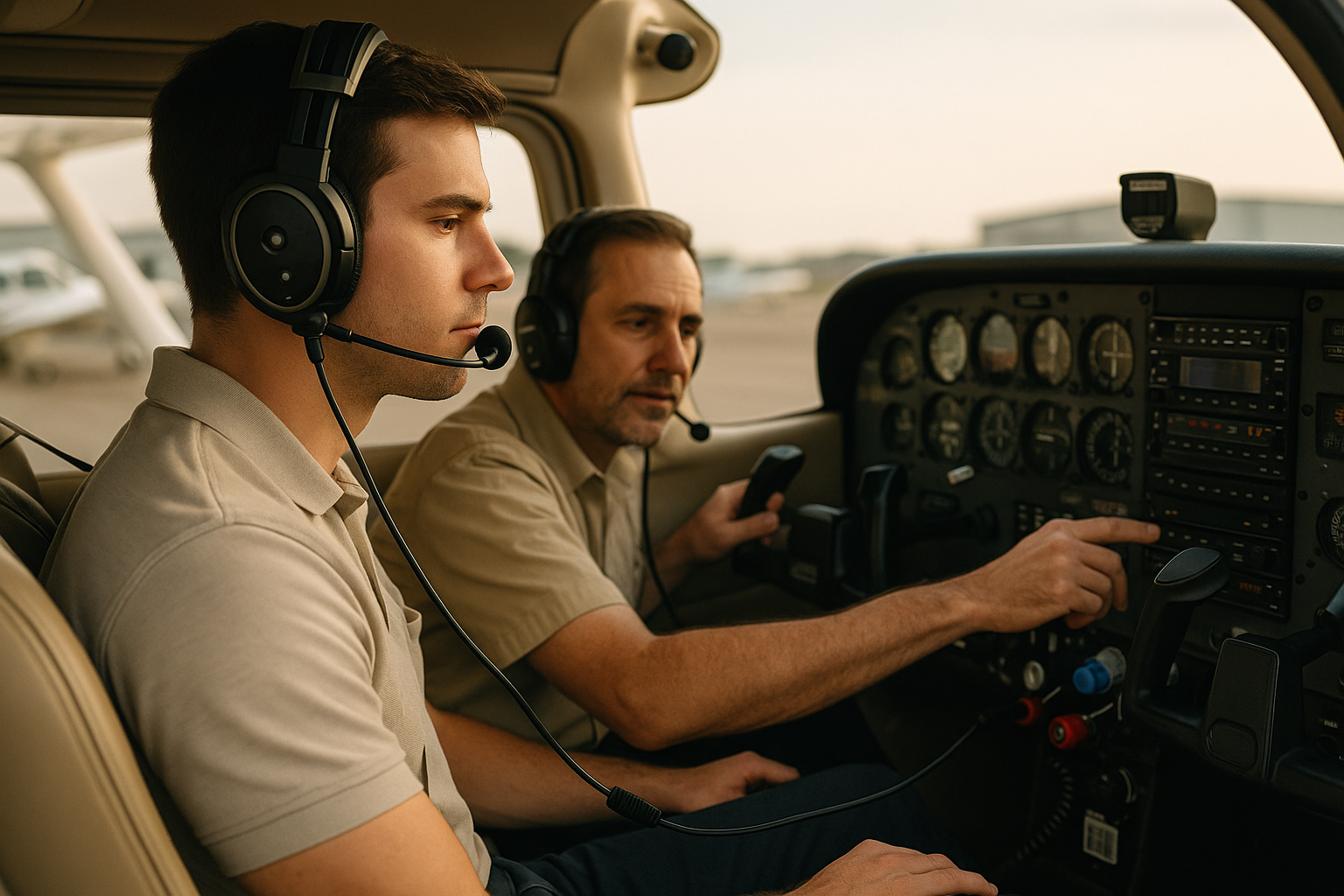
Choosing and using aviation headsets is a routine part of flying, but doing it well makes a measurable difference in communication clarity, situational awareness, and long-term hearing health. This article explains aviation headsets in practical terms: how they work, how they differ, what pilots should prioritize, and how correct selection and use affect safety and training.
The phrase aviation headsets appears near the beginning of this article because pilots and instructors search for reliable guidance on headset selection, cockpit use, maintenance, and compatibility. Whether you are a student buying your first headset, a flight instructor advising students, or a professional updating the flight department fleet, the right headset strategy improves communication, reduces fatigue, and supports better decision-making in flight.
What Aviation Headsets Are and How They Work
An aviation headset is an integrated audio system that provides pilots with two essential functions: receive radio and intercom audio, and transmit voice to radios and other crew. At its simplest, a headset includes ear cups, padding, a microphone, a headband, and connectors for the aircraft intercom or radios. More advanced headsets add active noise reduction (ANR), Bluetooth, audio mixing, and adjustable microphone sensitivity.
Two core technical ideas drive headset performance. First, passive attenuation is the mechanical reduction of outside noise provided by ear cup design and padding. Second, active noise reduction uses electronics to sense unwanted low-frequency noise and cancel it by producing inverse sound waves. Most modern pilot headsets combine both methods: passive sealing to reduce mid- and high-frequency noise, and ANR to reduce persistent low-frequency engine and aerodynamic noise.
Microphones in headsets fall into two categories: dynamic (electret) mics and noise-cancelling boom mics. Noise-cancelling microphones are designed to pick up the pilot's voice while suppressing ambient noise at the microphone. Microphone placement, boom stiffness, and microphone type all influence transmitted audio quality. For flight operations, intelligibility is more important than fidelity; a compact, clear signal that the controller or other crewmembers can understand matters more than perfect audio reproduction.
Why Aviation Headsets Matter in Real-World Aviation
Headsets directly affect communication with ATC, other aircraft, and crewmembers. Poor audio can lead to misheard clearances, repeated transmissions that increase frequency congestion, and missed traffic calls. Instructors and safety analysts recognize that degraded communications are a frequent contributing factor when pilots miss key information during critical phases like taxi, takeoff, approach, and go-around.
Beyond immediate communication, headsets influence fatigue and long-term hearing health. Continuous exposure to cockpit noise increases pilot workload and can cause hearing damage over time. Reducing cockpit noise through effective headsets improves concentration, reduces stress, and supports better decision-making during extended flights and training sessions.
In multi-crew or instructional environments, headset interoperability and intercom compatibility matter. Differences in connector types, headset impedance, and microphone wiring can produce inconsistent audio levels or require adapters. Instructors should teach students how to confirm headset function before departure and how to troubleshoot connectivity issues on the ground.
How Pilots Should Understand Aviation Headsets
Think about headsets as mission equipment. The best headset for you depends on the aircraft environment, the kind of flying you do, budget, and training needs. A headset that performs well in a high-speed turbine cockpit may be overbuilt for local flight training in a light piston trainer, while a low-cost headset that lacks ANR may be unsuitable for frequent cross-country flying in louder aircraft.
When evaluating headsets, consider these attributes and what they mean in practice:
- Noise attenuation profile: How the headset reduces sound across frequencies. Pilots operating in loud environments value strong low-frequency reduction because engine and propeller noise are concentrated there.
- Active noise reduction (ANR): ANR reduces steady low-frequency noise and lowers pilot fatigue. Understand that ANR effectiveness varies by model; always verify real-world performance rather than relying on marketing claims.
- Comfort and fit: Long flights and extended training require headsets that remain comfortable. Clamping force, ear cushion material, and headband pressure affect both comfort and passive sealing for noise reduction.
- Microphone performance and placement: The microphone must consistently pick up speech without the pilot needing to raise voice levels. Boom stability matters; a loose boom increases variability in transmit quality.
- Connector compatibility: Ensure the headset fits the aircraft’s audio panel or intercom. Some general aviation aircraft use dual plug connectors while some helicopters and transport aircraft use different plugs; adapters are a practical but imperfect solution.
- Durability and maintenance: Replaceable cushions, easy-to-repair cables, and reliable battery or power options extend service life and reduce fleet downtime.
- Features like Bluetooth and audio mixing: Bluetooth allows streaming audio and phone calls in some headsets. Make sure feature use complies with applicable operating rules and company policies before using Bluetooth in flight environments.
Common Headset Types and Terms Pilots Should Know
Understanding common terms helps pilots compare options without being misled by marketing language.
- Passive headset: A headset that relies on physical attenuation without electronic noise cancellation. Offers reliable mid- and high-frequency protection but limited low-frequency reduction.
- ANR headset: A headset with active noise reduction circuits. ANR improves comfort and clarity in noisy cockpits, especially during cruise and climb phases where low-frequency noise is prominent.
- PJ and General Aviation dual plugs: A common type of dual-plug connector used in many small aircraft. Verify which connector your aircraft uses before purchase.
- Impedance: Electrical resistance that can affect compatibility with certain radios or intercoms. Many modern headsets are designed to work with a wide range of equipment, but incompatibility can produce low volume or distortion in some installations.
- Noise-cancelling microphone: Microphone designed to reject ambient noise at the source. Important in noisy cockpits and when flying with open windows or doors.
Common Mistakes and Misunderstandings
Pilots and students often make predictable mistakes when choosing and using headsets. Understanding these prevents wasted expense and improves safety.
One common mistake is equating price with performance. High-cost headsets often offer better durability, comfort, or ANR, but cost alone does not guarantee the best fit for your mission. Test headsets in the aircraft environment if possible before buying.
Another frequent error is ignoring fit and seal. A headset that does not seal well around the ear reduces passive attenuation and undermines any ANR benefit. Students buying their first headset may favor lighter models that sacrifice seal for lower weight; while comfortable on the ramp, these can be noisy in flight.
Pilots also misunderstand battery and power needs. Some ANR headsets use internal rechargeable batteries; others run on disposable batteries or draw aircraft power. Failing batteries in flight can suddenly remove the expected noise reduction. Regular preflight checks should include verifying ANR power and carrying spares if the headset uses disposable batteries.
Using Bluetooth indiscriminately is another risk. While Bluetooth offers convenience for streaming navigation audio or received weather briefings, it can introduce distraction. Pilots should follow company policies, airworthiness guidance, and common sense about when to accept non-essential audio during critical flight phases.
Practical Example: Training Cross-Country with Competing Radio Traffic
Consider a real-world training scenario: a CFI and a student are on a cross-country flight that includes several frequency changes and busy CTAF operations at uncontrolled fields. The student’s headset is a lightweight passive model with modest sealing. The CFI’s headset is an ANR model with excellent low-frequency reduction and a noise-cancelling microphone.
During cruise, the student struggles to hear distant ATIS and overlapping calls, prompting them to lean forward and speak louder when transmitting. The student misses a taxi call at the intermediate airport, requiring the CFI to query and repeat the clearance. The added workload disrupts the training flow and increases frequency congestion. By contrast, when the student later borrows the ANR headset, they notice clearer reception, can hear quieter ATIS fragments, and transmit with less vocal effort.
This example highlights practical effects: improved headset performance reduced the need for repetition, lowered pilot workload, and supported clearer instructor-student communication. Instructors should use such experiences to guide student headset selection and to teach preflight headset checks and in-flight troubleshooting.
Best Practices for Pilots
Adopt headset habits that support safety, training, and equipment longevity.
- Assess the mission first. Match headset features to the aircraft noise environment and typical flight duration.
- Test headsets in the actual cockpit whenever possible. Real aircraft noise and intercom characteristics reveal differences that store demos may not show.
- Perform preflight audio checks. Verify receive and transmit audio, confirm ANR or power status, and check microphone positioning before taxi.
- Maintain headsets. Replace cushions and windscreens as they age, store headsets in protective cases, and follow manufacturer guidance for battery care and cleaning.
- Use adapters sparingly and verify compatibility. Adapters can solve temporary issues but may affect mechanical stability or electrical connections. For recurrent use, install the correct connector or a certified audio panel adapter.
- Teach students effective headset techniques. Demonstrate proper boom placement, headset fit, and how to confirm audio levels with ATC or a fellow pilot during ground checks.
- Minimize non-essential audio during high-work phases. Use Bluetooth and audio streaming for briefing and enroute navigation as appropriate but mute or disable nonessential input on final approach, takeoff, and other critical times.
Maintenance, Troubleshooting, and Longevity
Headset reliability is a maintenance and operational issue. Simple preventive care extends service life and reduces in-flight surprises. Replace worn ear cushions and microphone windscreens before they fail. Inspect cables for exposed wires or broken strain reliefs. For ANR models, follow manufacturer guidance for battery replacement schedules or recharge cycles.
Troubleshooting steps are straightforward and valuable to teach. If you experience low receive audio, check the aircraft audio panel volume and intercom settings first. Swap headsets with another pilot to determine whether the problem is headset- or panel-related. If transmit audio is weak, verify microphone boom position, ensure the headset is fully seated in its connector, and test with a ground check or interphone if available.
Document recurrent headset problems as part of training records or fleet logs. Instructors and flight departments should track headset failures and replace equipment before it becomes a safety risk.
Choosing a Headset for Different Missions
Not every pilot needs the same headset. Here are practical considerations by mission profile.
- Primary flight training (dual instruction, short patterns): Look for a comfortable, durable headset with reliable microphone performance. ANR is useful but not always essential for short local lessons; focus on comfort, seal, and ease of cleaning between students.
- Cross-country and instrument flying: ANR becomes more valuable here, particularly on longer flights and in noisier aircraft. Prioritize battery reliability, microphone quality, and clear receive audio.
- Commercial or multi-crew operations: Compatibility and proven reliability take precedence. Consider headsets with certified connectors and robust ANR systems. Department procurement should include field testing under operational conditions.
- Helicopter operations: Helicopter cockpits have unique noise spectra and space constraints; choose headsets designed for rotorcraft use and verify microphone boom durability.
Frequently Asked Questions
How much does ANR help, and is it worth the cost?
ANR is most effective against steady low-frequency noise and can reduce fatigue on longer flights. Whether it is worth the cost depends on your mission: frequent cross-country or turbine pilots usually see clear benefits, while pattern-only students may prioritize comfort and durability over ANR.
Can I use Bluetooth in flight with my headset?
Bluetooth can provide useful connectivity for phone or navigation audio, but its use should follow applicable operating rules and company or instructor guidance. Avoid accepting non-essential audio during critical phases and confirm that Bluetooth connections do not interfere with radio communications.
What should I check during a preflight headset test?
Verify that receive audio is clear on the expected frequencies, check transmit quality with a ground-based party if possible, confirm ANR or power status, ensure the microphone boom is stable and positioned correctly, and check that connectors are secure.
Are cheaper headsets acceptable for student pilots?
Budget-friendly headsets can be acceptable for students, but quality varies widely. If purchasing a lower-cost model, prioritize fit, seal, and microphone clarity. Students should also be prepared to upgrade if they move into higher-noise aircraft or longer flights.
How often should I replace headset cushions and windscreens?
Replace cushions and windscreens when they show visible wear, lose shape, or no longer provide a reliable seal. Replacement intervals depend on use and storage conditions; in flight schools, cushions often need replacement more frequently due to heavy use.
Common Mistakes or Misunderstandings (Detailed)
Here are more specific misunderstandings that often appear in training and operation.
- Assuming ANR eliminates all noise: ANR improves comfort but does not make the cockpit silent. Pilots should not rely on ANR to make up for unsafe cockpit ergonomics or to permit louder-than-normal operations.
- Neglecting headset hygiene: Sharing headsets without cleaning can spread illness and degrade materials faster. Implement cleaning procedures, especially in flight schools and shared fleets.
- Failing to check batteries: Some headsets default to passive mode when batteries are depleted. Pilots who expect ANR must confirm battery health before flight to avoid abrupt changes in hearing and workload.
- Overlooking communications protocol: No headset replaces good radio technique. Speak clearly, use standard phraseology, and verify readbacks; good technique complements technical headset performance.
Key Takeaways
- Practical takeaway: Match headset features to mission needs—comfort for training, ANR for noisy or long flights.
- Safety takeaway: Reliable headset audio reduces miscommunication and pilot workload, improving safety in critical flight phases.
- Training and decision-making takeaway: Teach and test headset use during preflight checks; make headset troubleshooting part of student training and fleet procedures.
Good headset selection and disciplined use are operational decisions that affect communication, situational awareness, and long-term health. Pilots, instructors, and flight departments should treat headsets as mission equipment: choose intentionally, maintain proactively, and include headset checks in standard operating practices.